Advances in MPL Surgery: Enhancing Precision, Safety, and Patient Outcomes
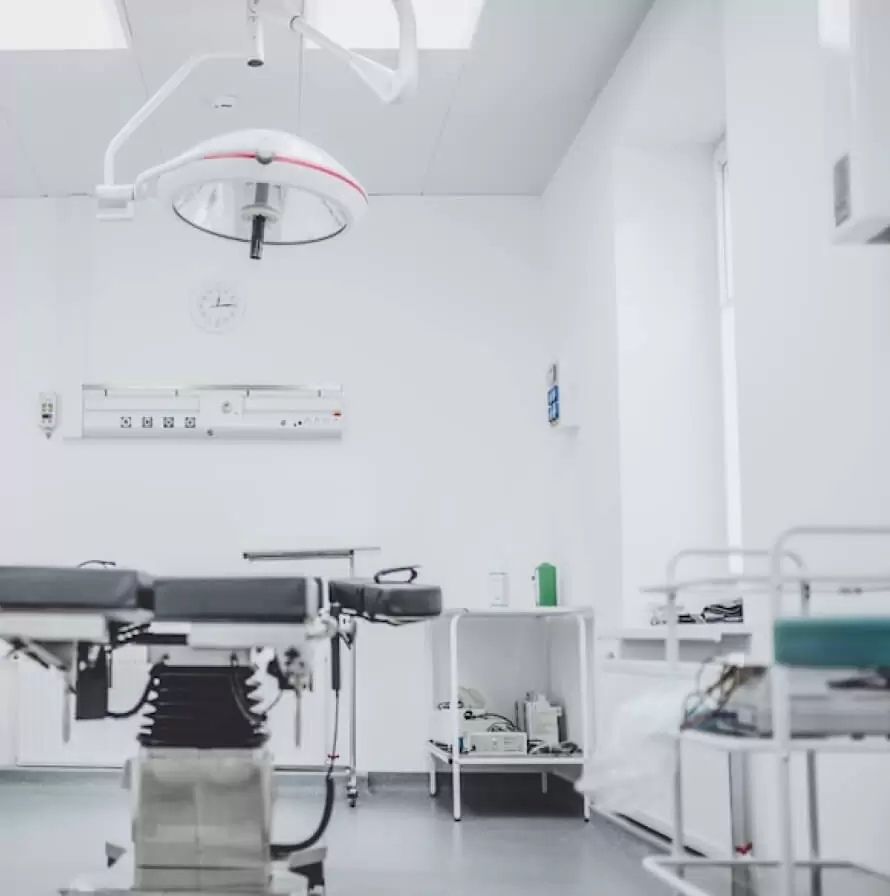
At Bayside Animal Hospital, we are dedicated to providing the highest standard of care for our patients. One area where veterinary medicine has seen remarkable progress is in medial patellar luxation (MPL) surgery. This condition, commonly affecting dogs, occurs when the kneecap (patella) dislocates or shifts out of its normal position, leading to pain, mobility issues, and long-term joint damage if left untreated. Advances in surgical techniques have transformed the outcomes of MPL surgery, offering pets a chance for improved mobility, reduced pain, and a higher quality of life.
At Bayside Animal Hospital, we are dedicated to providing the highest standard of care for our patients. One area where veterinary medicine has seen remarkable progress is in medial patellar luxation (MPL) surgery. This condition, commonly affecting dogs, occurs when the kneecap (patella) dislocates or shifts out of its normal position, leading to pain, mobility issues, and long-term joint damage if left untreated. Advances in surgical techniques have transformed the outcomes of MPL surgery, offering pets a chance for improved mobility, reduced pain, and a higher quality of life.
One of the most significant advancements in MPL surgery is the adoption of refined surgical techniques that focus on stabilizing the kneecap while minimizing trauma to surrounding tissues. Procedures such as trochleoplasty, tibial tuberosity transposition, and soft tissue realignment are now performed with greater accuracy, thanks to enhanced understanding of the biomechanics of the canine stifle joint. These approaches help maintain proper patellar tracking and reduce the likelihood of recurrence, a critical factor in long-term patient outcomes. At Bayside Animal Hospital, we emphasize meticulous surgical planning and execution to ensure each patient receives the most effective correction for their specific grade of MPL.
In addition to refined techniques, advances in imaging technology have played a pivotal role in improving MPL surgery outcomes. High-resolution digital radiography and advanced ultrasound allow veterinarians to precisely assess the alignment of the patella and identify any underlying abnormalities in the joint. Preoperative imaging enables customized surgical planning, reducing the risk of intraoperative surprises and ensuring a smoother procedure. Some veterinary practices have also started incorporating 3D modeling to visualize the joint in detail before surgery, further enhancing surgical accuracy and confidence.
Safety during MPL surgery has also seen significant improvements. Modern anesthesia protocols, combined with advanced monitoring equipment, allow veterinarians to maintain optimal physiological conditions throughout the procedure. Pain management techniques have evolved as well, with multimodal approaches ensuring that patients experience minimal discomfort during recovery. By addressing pain proactively, veterinarians can support faster rehabilitation and encourage a return to normal activity levels, which is critical for preventing muscle atrophy and promoting joint health.
The integration of minimally invasive techniques in MPL surgery is another notable advancement. While not applicable to every case, arthroscopic-assisted procedures can reduce surgical trauma, shorten recovery time, and improve patient comfort. Smaller incisions decrease the risk of infection and postoperative complications, allowing pets to resume normal activities sooner. At Bayside Animal Hospital, we carefully evaluate each patient to determine the most appropriate surgical approach, balancing the benefits of minimally invasive options with the need for durable long-term results.
Postoperative care is equally important in achieving successful outcomes after MPL surgery. Rehabilitation programs tailored to each patient’s needs support the healing process and help restore strength and mobility. Physical therapy techniques, such as controlled exercise, hydrotherapy, and targeted stretching, promote joint stability and reduce the risk of reinjury. Educating pet owners on proper at-home care, including activity restrictions and gradual reintroduction to exercise, further enhances recovery and ensures lasting benefits from the surgical intervention.
Recent research and clinical experience have also highlighted the importance of early intervention in MPL cases. Detecting and addressing patellar luxation before it progresses to more severe grades can prevent secondary complications, such as arthritis or chronic lameness. Timely surgical correction, combined with modern techniques and comprehensive postoperative care, provides the best opportunity for pets to regain normal function and live an active, pain-free life.
At Bayside Animal Hospital, our commitment to staying at the forefront of veterinary surgical advancements ensures that pets undergoing MPL surgery receive the highest level of care. From precise preoperative planning to state-of-the-art surgical techniques and compassionate postoperative support, our goal is to improve every aspect of the surgical experience. By focusing on precision, safety, and patient-centered outcomes, we are able to offer pets a smoother recovery, enhanced mobility, and a better quality of life.
In conclusion, advances in MPL surgery have transformed what was once a challenging and unpredictable procedure into a highly precise, safe, and effective intervention. Modern surgical techniques, advanced imaging, improved anesthesia and pain management, minimally invasive options, and comprehensive rehabilitation all contribute to superior outcomes for pets. Early detection and timely surgical correction further enhance the long-term success of the procedure. At Bayside Animal Hospital, we are proud to provide these cutting-edge solutions, ensuring that our patients receive the care they deserve and return to a happy, active lifestyle.
Head over to our next blog for more details - Dog MPL surgery